



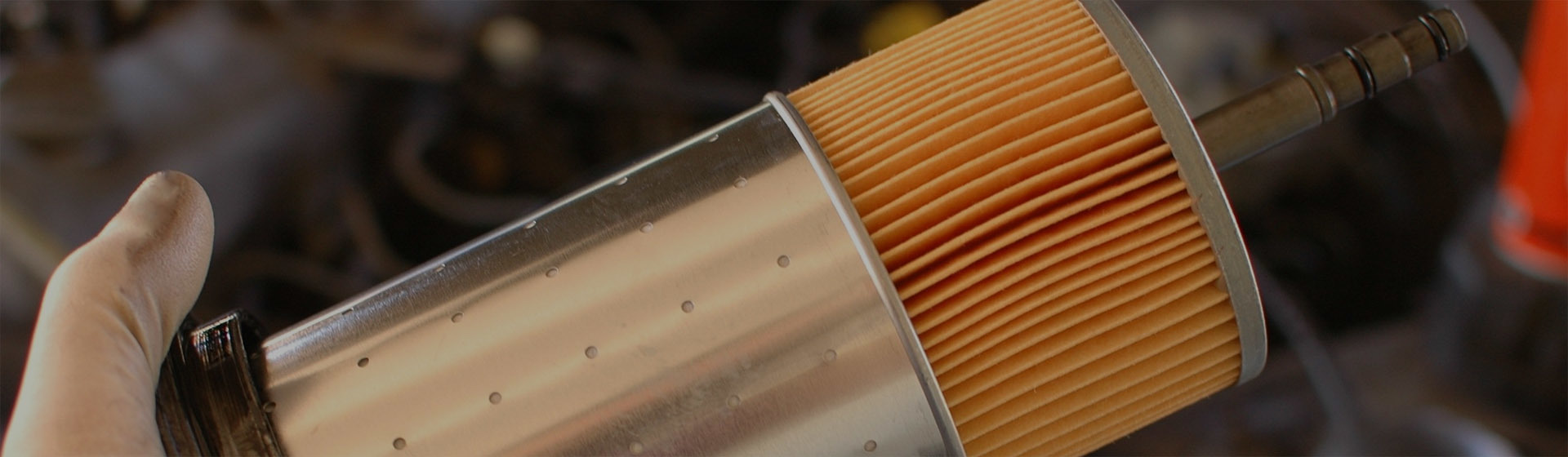
Navigating the World of Oil Filters: The Unsung Hero of Your Engine
Release Time:
Feb 22,2025
Discover the importance of oil filters in vehicle maintenance and how they contribute to engine longevity.

The Unsung Hero: What’s an Oil Filter?
When you think of car maintenance, your mind might drift to oil changes, tire rotations, or even that ever-dreaded brake job. But let’s take a moment to shine a spotlight on the Oil Filter. This little component often gets overshadowed, but it plays a crucial role in keeping your engine running smoothly. An oil filter does just what it sounds like: it filters the oil that circulates through your engine, removing dirt, debris, and other contaminants that can wreak havoc on your vehicle.
Why Oil Filters Matter
Imagine your engine as a finely tuned orchestra. Each part must work in harmony to produce that sweet, sweet music. Now, if your oil filter is clogged or dirty, it’s like having a rogue musician playing off-key. The entire performance is affected! Without a clean oil filter, oil can’t flow freely, leading to increased wear and tear on your engine components. In the long run, this can lead to costly repairs—or worse, engine failure. Yikes!
Types of Oil Filters
Not all oil filters are created equal, my friend. There are several types, each designed for specific applications:
- Standard Oil Filters: These are the most common and are designed for everyday vehicles.
- High-Performance Oil Filters: Perfect for those speed demons who push their engines to the limit.
- Bypass Oil Filters: These filters are used in heavy-duty applications and offer extra filtration.
Changing Your Oil Filter: A Simple DIY
So, you’re convinced that the Oil Filter is essential—but how do you change it? Don’t worry; it’s not rocket science! Here’s a quick step-by-step guide:
- Gather your tools: You’ll need an oil filter wrench, a new oil filter, and some fresh oil.
- Locate the oil filter; it’s usually on the bottom of the engine.
- Use the wrench to loosen the old filter. Be careful—some oil may spill out!
- Install the new filter by hand; make sure it’s snug but not too tight.
- Refill your engine with fresh oil, and voila! You’re good to go.
Common Mistakes to Avoid
Now that you’re ready to tackle that oil filter change, let’s avoid some common pitfalls:
- Not Pre-Oiling the Filter: Always oil the gasket of your new filter before installation to ensure a good seal!
- Neglecting Regular Changes: Changing your oil filter every other oil change is a good rule of thumb.
- Using the Wrong Filter: Make sure to choose the right filter for your specific vehicle make and model.
The Bottom Line
In conclusion, the Oil Filter is not just a passive component; it’s an active player in your engine’s health. Regular maintenance and timely changes can save you a world of trouble down the road. So, the next time you’re at your local garage or under the hood, give that oil filter the recognition it deserves. After all, a happy engine means a happy driver!
Final Thoughts
There you have it! The lowdown on oil filters, with a sprinkle of wisdom to boot. Keep your engine in tip-top shape, and you’ll be cruising down the road with confidence. Happy driving!
Keywords: