



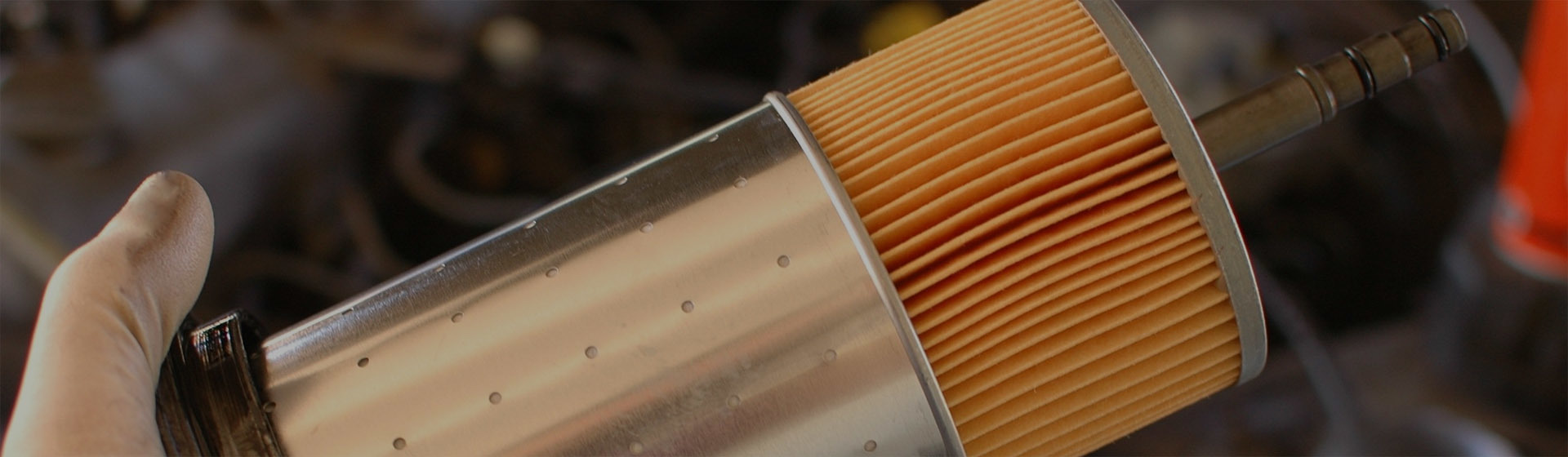
The Lowdown on Oil Filters: What You Need to Know
Release Time:
Feb 23,2025
Discover essential tips and insights on oil filters to keep your engine running smoothly.

Understanding the Oil Filter
Hey there, car enthusiast! Ever wondered what keeps your engine running like a well-oiled machine? Well, you guessed it—it's the oil filter! This little gadget plays a huge role in ensuring your engine oil remains clean and effective. But hang on, let’s dive deeper into the nitty-gritty of oil filters and what you should keep in mind.
Why Oil Filters Matter
Alright, let’s not beat around the bush. The oil filter is essential for your vehicle’s health. Think of it as the bodyguard of your engine oil. It traps dirt, metal particles, and sludge that can accumulate over time. Without a functioning oil filter, your engine could end up working overtime, leading to premature wear and tear. Yikes!
Signs Your Oil Filter Needs Attention
So, how do you know when your oil filter is waving the white flag? Here are some telltale signs:
- Engine Noise: If your engine sounds like it’s grumbling, it might be crying out for a new oil filter.
- Oil Pressure Light: That pesky warning light on your dashboard? Yeah, it could be linked to your oil filter.
- Dirty Oil: If your oil looks more like sludge than liquid gold, it’s time to check that filter!
Choosing the Right Oil Filter
Not all oil filters are created equal, folks. When it comes time to replace yours, consider these pointers:
- Compatibility: Make sure the filter matches your vehicle's specifications. No two cars are alike!
- Quality: Don’t skimp on quality. A good oil filter can save you from future headaches.
- Type: Decide between traditional spin-on filters or cartridge filters. Each has its pros and cons.
Installation Tips: DIY or Not?
Thinking of going the DIY route? That's awesome! But hold your horses; here are a few tips:
- Tools: You’ll need an oil filter wrench, a drain pan, and, of course, some fresh oil!
- Drain the Old Oil: It’s best to change the oil and filter at the same time. Drain the old oil first to avoid a mess.
- Check for Leaks: After installing the new filter, run your engine and check for any leaks. Better safe than sorry!
When to Change Your Oil Filter
Now, here’s the million-dollar question: how often should you change your oil filter? Well, it largely depends on your driving habits and the type of oil you use. However, a good rule of thumb is every 3,000 to 5,000 miles. Keep an eye on your vehicle’s manual for specific recommendations, and you’ll be golden!
Final Thoughts
In conclusion, taking care of your oil filter is crucial for keeping your engine happy. Remember, it’s the unsung hero of your vehicle’s performance. So, whether you’re a DIY wizard or prefer to leave it to the professionals, don’t neglect that little component. Your engine will thank you for it!
Keywords: