



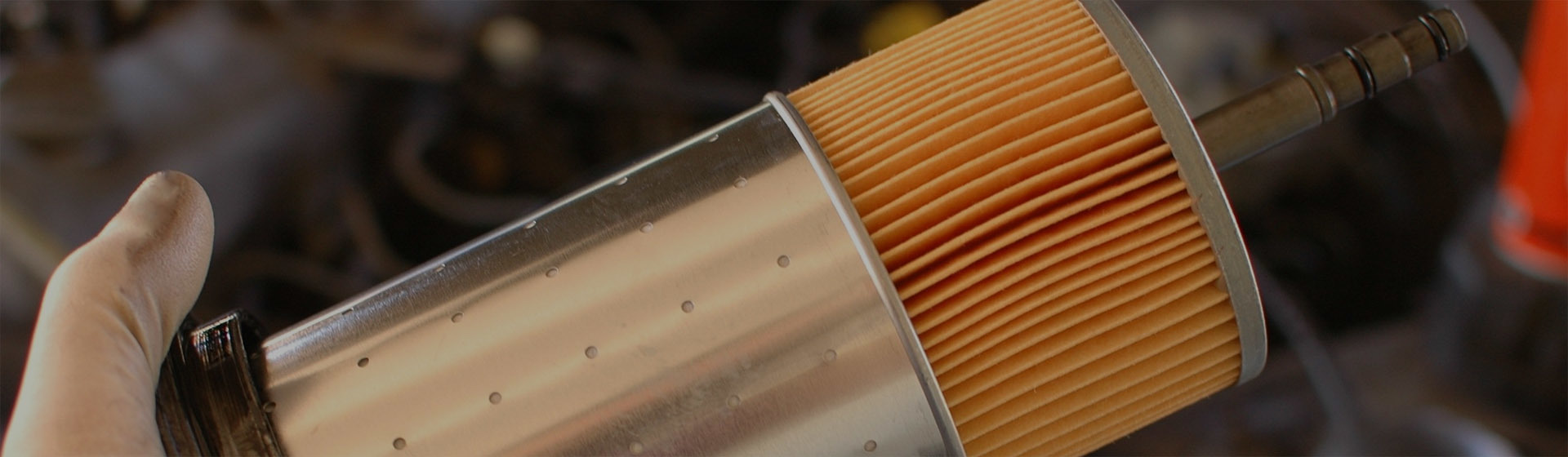
Understanding the Inner Workings of Your Oil Filter
Release Time:
Feb 24,2025
Dive into the fascinating mechanics of an oil filter and learn how it keeps your engine running smoothly.

The Lifeblood of Your Engine
Ever heard the saying, "a clean engine is a happy engine?" Well, it’s true! One of the unsung heroes of engine maintenance is the oil filter. But what exactly is this little gadget, and how does it work? Buckle up, because we're about to take a deep dive into the marvelous world of oil filters!
What is an Oil Filter?
So, let’s break it down. An oil filter is a crucial component in your car’s engine that removes contaminants from engine oil. Think of it as the bodyguard of your engine's circulatory system. It keeps dirt, metal particles, and other gunk out of the oil, ensuring it remains clean and effective. The cleaner the oil, the better it lubricates your engine parts, leading to a longer lifespan for your vehicle.
How Does It Work?
Now, here’s where things get interesting! The operation of an oil filter can be broken down into a few simple steps. First off, the oil pump sends oil from the oil pan up to the engine. As the oil flows through, it passes through the oil filter. This is where the magic happens!
The Filtering Process
The oil filter uses a combination of a filter media (usually made from paper or synthetic material) and a metal housing to trap harmful particles. When oil flows through the filter, contaminants are trapped in the media, while the clean oil continues its journey to lubricate the engine.
Isn’t that nifty? The filter also has a bypass valve that kicks in if it gets too clogged, allowing some oil to bypass the filter and continue circulating. This ensures your engine gets oil even if the filter is in dire need of a change!
Types of Oil Filters
Just like ice cream flavors, oil filters come in various types! Here are the most common:
- Mechanical Filters: These are the classic filters that use a physical barrier to trap dirt and debris.
- Magnetic Filters: These bad boys use magnets to attract and hold onto metal particles.
- Electrostatic Filters: They use static electricity to attract and trap contaminants.
Why Change Your Oil Filter?
Ah, the million-dollar question! Why should you bother changing your oil filter? Simple—if you don’t, your engine can suffer. A clogged oil filter can restrict oil flow, leading to inadequate lubrication. This can cause overheating, increased wear, and ultimately, engine failure. Yikes!
Most experts recommend changing your oil filter every time you change your oil. It’s a small price to pay for the health of your engine.
Signs Your Oil Filter Needs a Change
So, how do you know when it’s time for a change? Here are some telltale signs:
- **Oil pressure warning light:** If it lights up, it could be a sign your filter is clogged.
- **Unusual engine noise:** If your engine starts sounding like a can of marbles, it might be time to check your filter.
- **Dark, dirty oil:** If your oil looks like it's been through a mud bath, it’s time to change that filter!
Final Thoughts
In conclusion, the oil filter is a small but mighty component of your vehicle. It plays a vital role in maintaining the cleanliness of your engine oil, ensuring your engine runs smoothly. So, take care of it! Regular maintenance is key to keeping your engine happy and healthy.
Next time you pop the hood, give a nod to your oil filter—it’s working hard to keep your ride road-ready. And remember, a little vigilance goes a long way in automotive care. Happy driving!
Keywords: