



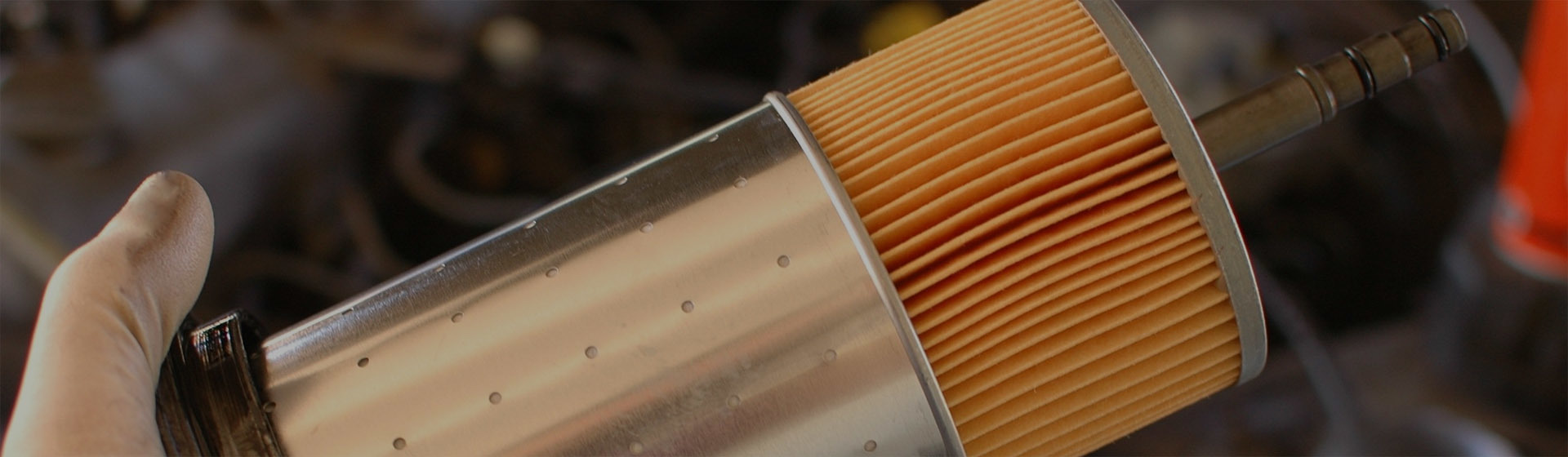
The Unsung Hero of Your Car: The Importance of the Oil Filter
Release Time:
Feb 24,2025
Discover why the oil filter is crucial for your vehicle's performance and longevity. Learn tips, tricks, and more!

Introduction: Meet the Oil Filter!
When it comes to car maintenance, many folks think of oil changes and tire rotations, but the unsung hero often goes unnoticed: the oil filter. You might be wondering, what’s the big deal about an oil filter? Well, let’s dive into the nitty-gritty of why this little device packs a powerful punch in keeping your vehicle running smoothly!
What Does an Oil Filter Do?
Simply put, an oil filter is designed to remove contaminants from engine oil that can accumulate over time. Think of it as the bodyguard of your car’s engine, keeping the bad guys (dirt, metal particles, and sludge) at bay. Without a functioning oil filter, your engine oil would quickly become dirty, leading to premature wear and tear on engine components. Yikes!
Why Should You Care?
Well, here’s the deal: neglecting your oil filter can lead to serious problems. If it’s clogged, oil can’t flow freely, which means your engine might not get the lubrication it desperately needs. You wouldn’t want your car to sputter and stall on a busy freeway, right? Not only is that inconvenient, but it can also lead to costly repairs. So, keeping an eye on your oil filter is crucial!
Signs Your Oil Filter Needs Attention
- Engine noise: If your engine sounds like it’s struggling, it might be time to check that filter.
- Reduced oil pressure: A drop in oil pressure could indicate a blocked filter.
- Oil leaks: Puddles under your car can signal a failing oil filter.
- Dirty oil: If your oil looks like it’s been through a war, it’s time for a change!
Changing Your Oil Filter: A DIY Guide
Alright, gearheads! Ready to roll up your sleeves? Changing your oil filter is a straightforward task that can save you some bucks. Here’s a quick rundown:
- Gather your tools: You’ll need an oil filter wrench, a new oil filter, and some fresh oil.
- Locate the filter: Depending on your car model, this might take a little searching. But don’t sweat it!
- Remove the old filter: Use your wrench to twist it off. Watch out for any residual oil!
- Install the new filter: Make sure to lubricate the rubber gasket before screwing it on.
- Check for leaks: Start your engine and look for any signs of oil seeping out.
And voilà! You’ve just completed a simple but essential maintenance task!
When to Change Your Oil Filter
Most experts recommend changing your oil filter every time you change your oil. But if you’re driving in extreme conditions (like stop-and-go traffic in the city or long road trips), you might want to change it more often. A good rule of thumb? Every 3,000 to 5,000 miles, depending on your vehicle and oil type.
The Bottom Line: Don’t Skip the Oil Filter!
In the grand scheme of things, it’s easy to overlook the oil filter. But treating it like a VIP will pay off in the long run! Regular maintenance, including oil filter changes, will extend the life of your engine and save you from those pesky repair bills. So, next time you’re under the hood, give your oil filter the attention it deserves. Your car will thank you!
Final Thoughts
So there you have it, folks! The oil filter may be small, but it plays a pivotal role in your vehicle’s performance. Keep it clean, and you’ll drive smooth for miles and miles. Happy driving!
Keywords: