



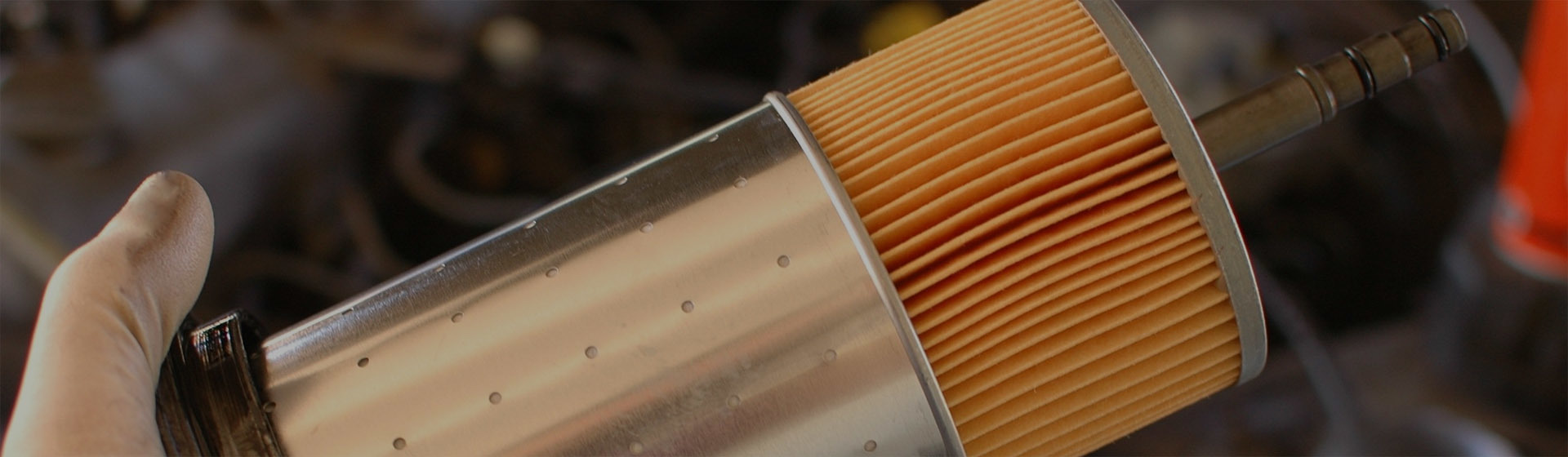
Unlocking the Secrets of Your Gasoline Filter: How It Works
Release Time:
Feb 27,2025
Discover the inner workings of a gasoline filter and why it's crucial for your vehicle's performance.

Introduction
Ever wondered what keeps your vehicle running smoothly? Well, here’s a little secret: it all starts with the gasoline filter! This small yet mighty component plays a pivotal role in your car's engine performance. Read on as we delve into its workings and importance, and why neglecting it can lead to some serious headaches.
What is a Gasoline Filter?
A gasoline filter is like the bouncer at a club, keeping unwanted guests—impurities and debris—out of your engine. Located in the fuel line, it ensures that only clean gasoline reaches the engine, allowing for optimal performance. Trust me, without it, your engine would be in for a rough ride!
How Does It Work?
Let’s break it down! The gasoline filter works by trapping contaminants as fuel flows from the tank to the engine. Think of it as a sieve, filtering out dirt, rust, and other impurities. When you turn the key in your ignition, fuel is pumped from the tank, and it passes through the filter first. Here’s where the magic happens—any harmful particles get caught, ensuring only clean fuel reaches the engine.
The Filtering Process
- Fuel Entry: When you start your car, the fuel pump pushes gasoline into the filter.
- Filtration: As the fuel flows through the filter media, contaminants get trapped.
- Clean Fuel: The filtered gasoline then moves on to the engine, ready to power your ride.
Signs Your Gasoline Filter Needs Attention
Now, you might be thinking, "How do I know if my gasoline filter is doing its job?" Well, there are a few telltale signs:
- Engine Misfires: If your engine is sputtering, it could be a sign of a clogged filter.
- Decreased Fuel Efficiency: A struggling filter can make your engine work harder, leading to poor gas mileage.
- Difficulty Starting: If your car struggles to start, it might be due to insufficient fuel supply.
Maintenance Tips
Keeping your gasoline filter in tip-top shape is easier than you might think! Here are a few handy tips:
- Regular Checks: Make it a habit to check your filter every 10,000 miles.
- Change It Out: Most filters need to be replaced every 20,000 to 40,000 miles, depending on the vehicle.
- Use Quality Fuel: Filling up with high-quality gasoline can reduce the buildup of impurities.
Conclusion
In a nutshell, the gasoline filter is an unsung hero of your vehicle's engine system. By ensuring only clean fuel reaches the engine, it helps maintain performance and efficiency. Don't take it for granted! Keep an eye on those warning signs and remember to give it the proper maintenance it deserves. Your engine will thank you for it!
Final Thoughts
Next time you’re cruising down the highway, give a little nod to your gasoline filter—it’s working hard behind the scenes to keep your ride smooth. Safe travels!
Keywords: